
Matcha: Is It Actually Good for You, or Just Another Wellness Trend?
Matcha seems to be everywhere. Matcha lattes, matcha smoothies, matcha protein balls - even matcha skincare. But behind the bright green colour and Instagram-worthy drinks, is matcha actually good for us, or has clever marketing simply turned an ordinary cup of tea into the latest wellness obsession?
The answer is: there is actually quite a lot to like about it.
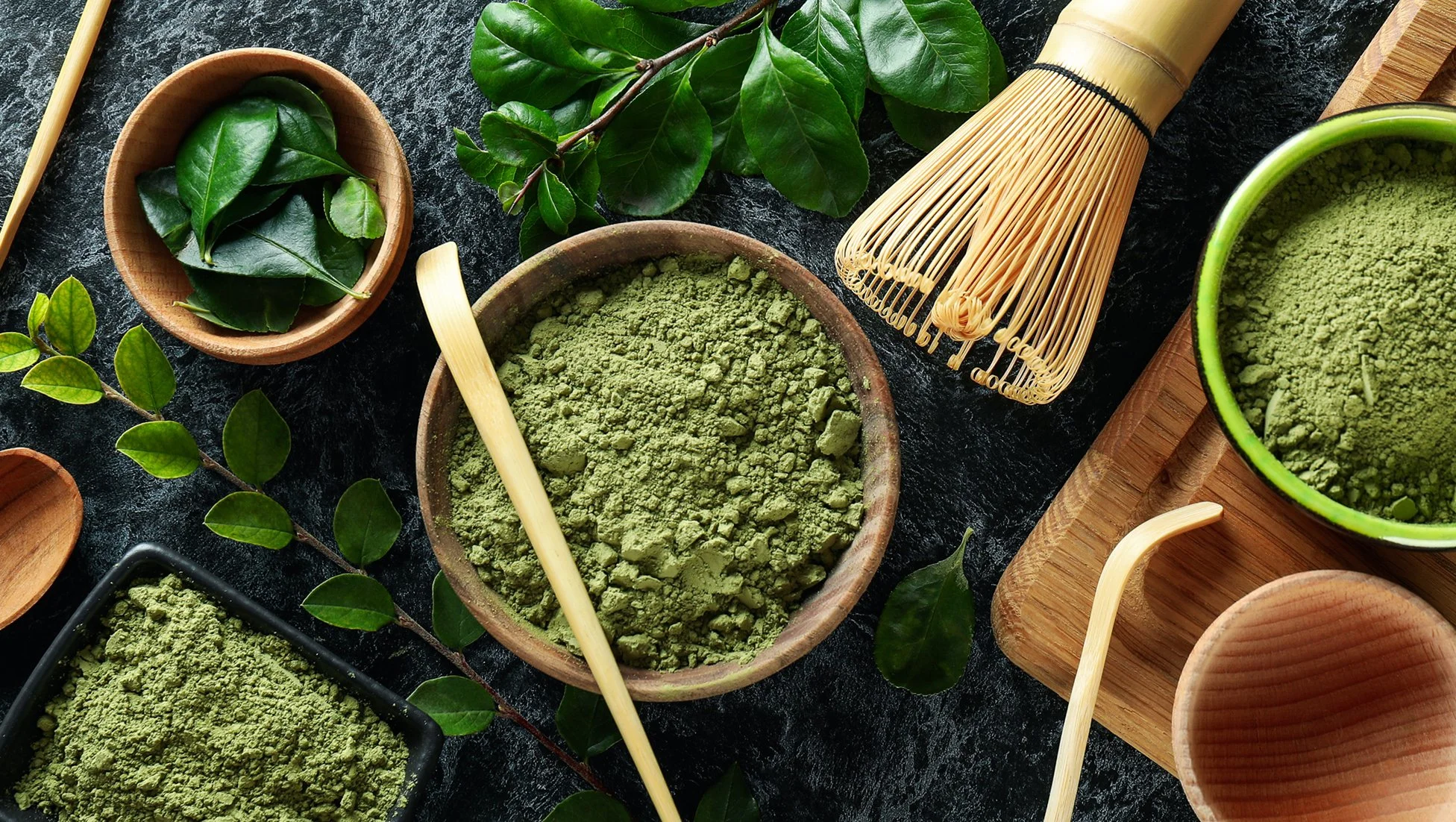
So, what exactly is matcha?
Matcha is a type of green tea, but unlike regular green tea, where the leaves are steeped and removed, matcha is made by grinding specially grown tea leaves into a very fine powder. When you drink it, you're consuming the whole leaf.
This means matcha provides a concentrated source of naturally occurring plant compounds, particularly catechins (natural plant compounds belonging to the flavonoid and polyphenol groups that act as strong antioxidants), including EGCG (epigallocatechin gallate), an antioxidant that has been widely studied for its potential role in protecting cells from oxidative stress.
Matcha also contains caffeine, although the experience can feel quite different from coffee. That's partly because it naturally contains L-theanine, an amino acid associated with relaxation and attention. The combination may explain why some people describe matcha as giving them a calmer, more sustained sense of alertness rather than the sharp caffeine hit - and subsequent crash - they experience with coffee.
Interestingly, not everyone feels energised by it. Some people actually find matcha rather calming or even slightly sleepy, which may be partly down to their individual response to L-theanine and caffeine.
Is matcha good for you?
It certainly can be.
Alongside its antioxidants, research into green tea suggests potential benefits for cardiovascular and metabolic health. But this is where we need to keep things in perspective.
Matcha isn't going to detox your body, magically balance your hormones or compensate for poor sleep, chronic stress and a nutrient-poor diet. It is simply one potentially beneficial addition to an otherwise healthy lifestyle.
And more isn't necessarily better.
Matcha still contains caffeine, so large amounts may contribute to anxiety, palpitations or disturbed sleep in caffeine-sensitive people. Tea also contains compounds that can reduce the absorption of non-haem iron, so if iron levels are a concern, I wouldn't routinely drink matcha alongside iron-rich meals or an iron supplement.
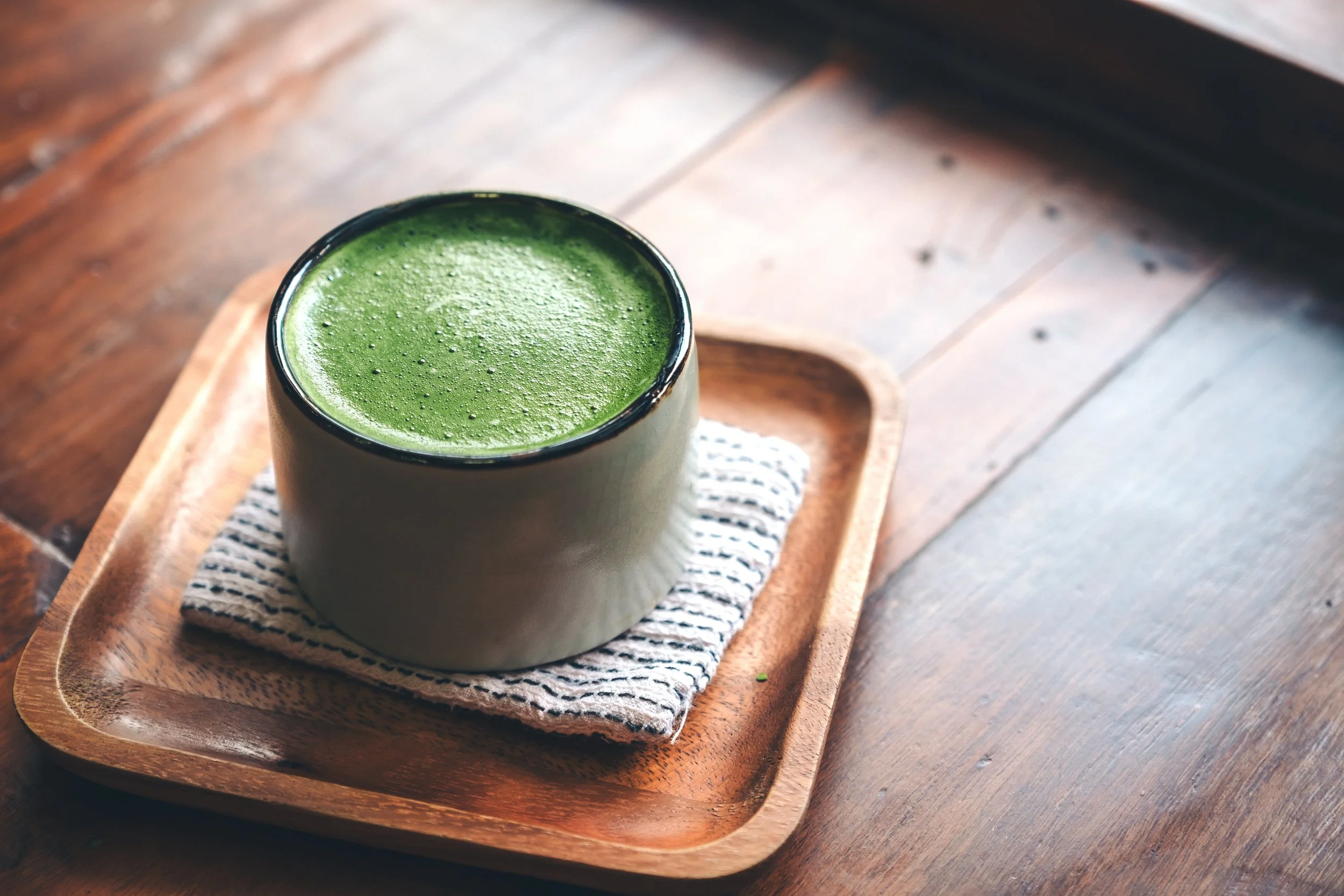
The best way to drink matcha
Traditionally, matcha is whisked with hot water until smooth and slightly frothy. Don't use freshly boiling water – allowing the kettle to cool slightly gives a much nicer, less bitter drink.
If straight matcha isn't for you, a matcha latte is absolutely fine. I like it with unsweetened almond, coconut or oat milk, although it's worth checking the label because café versions can contain a surprising amount of added sugar or flavoured syrup.
Around ½ - 1 teaspoon of good-quality matcha is plenty for one serving.
Quality matters too. Look for a vibrant green powder rather than dull yellow-green matcha, buy from a reputable supplier and store it sealed away from heat and light.
So, is it worth the fuss?
I think matcha deserves some of its reputation, just perhaps not all of the hype surrounding it.
If you enjoy it and it makes you feel good, it's a lovely way to add more plant compounds to your diet and can be a useful alternative to another coffee. But you don't need to force yourself to drink a grassy green latte every morning in the name of health.
As with most things in nutrition, your body usually has more useful information for you than the latest wellness trend.
The key is learning to listen to it.
Kasia Wheeler
BodyKode
