
Sauna or Steam Room? And What About the Cold Dip?
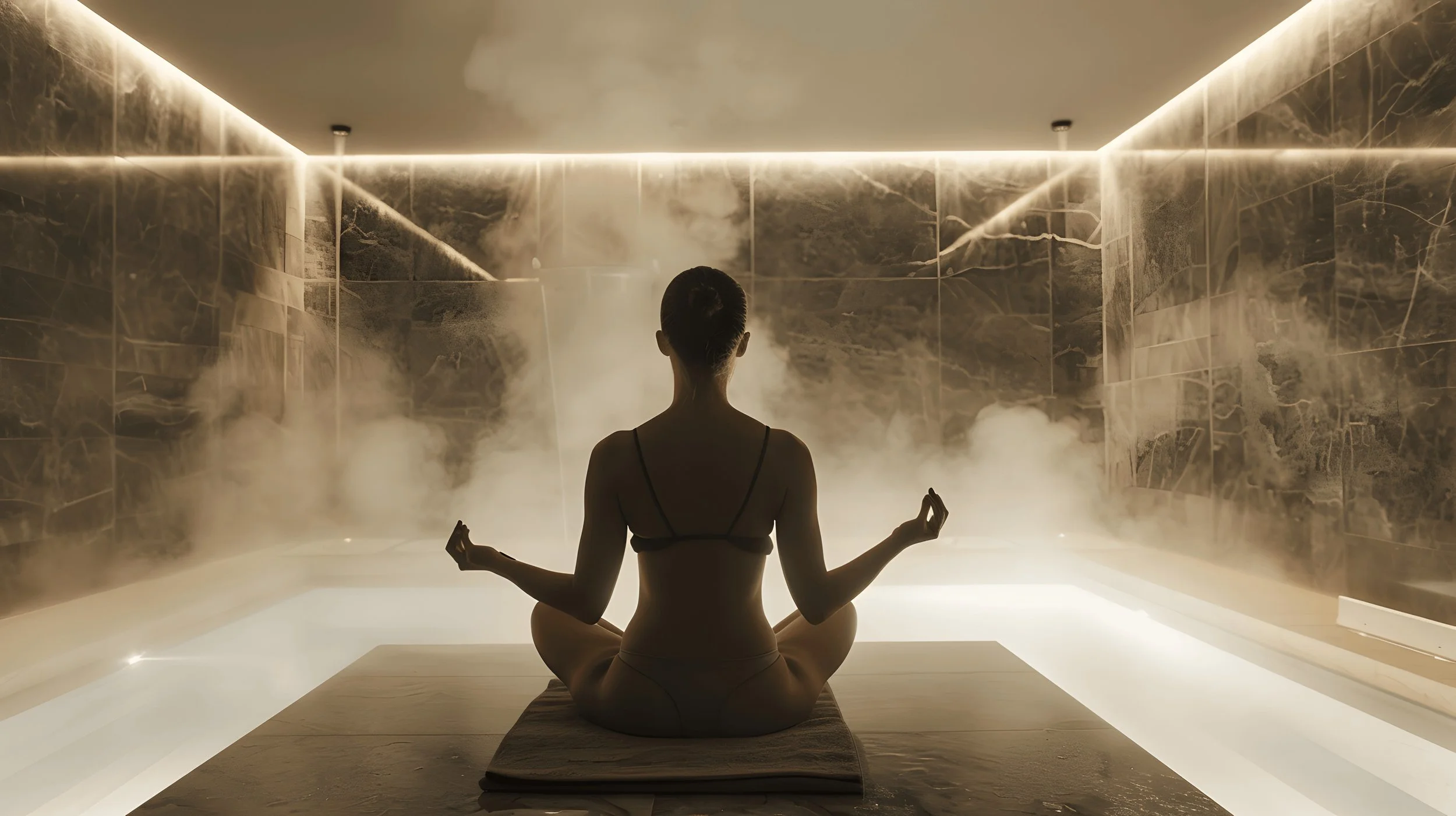
I love a sauna. There’s something about sitting in the heat, putting your phone away and having absolutely nothing to do for ten minutes that feels good before we even start talking about health benefits.
But what’s actually the difference between a sauna and a steam room? Is one better for you? And do you really need to throw yourself into freezing water afterwards?
Sauna vs steam room
The biggest difference is surprisingly simple: the type of heat.
A traditional sauna uses dry heat, usually at a much higher temperature - often somewhere around 70-100°C. Because the humidity is low, the air feels dry, and your body responds by sweating heavily in an attempt to cool itself.
A steam room is cooler, generally around 40-50°C, but the humidity is close to 100%. That moisture completely changes how the heat feels. It can feel much more intense despite the lower temperature.
Both increase skin temperature and heart rate and encourage sweating, but I wouldn't get too caught up in the idea of “sweating out toxins”. Your liver and kidneys are doing the real detoxification work. Sweating is primarily your body's very clever cooling system.
So which is better?
There isn't really a winner.
Sauna has been particularly well researched, with regular use associated with cardiovascular benefits and relaxation. It can also be wonderful after exercise, although a sauna shouldn't replace proper recovery, hydration, food or sleep.
Steam rooms have another advantage: that warm, humid air can feel incredibly soothing when your nose and airways feel dry or congested.
Personally, I think the best one is often simply the one you enjoy enough to use regularly.
Start with shorter sessions, drink plenty of water and get out if you feel dizzy, nauseous, unusually weak or simply too hot. Wellness shouldn't involve proving how much discomfort you can tolerate.
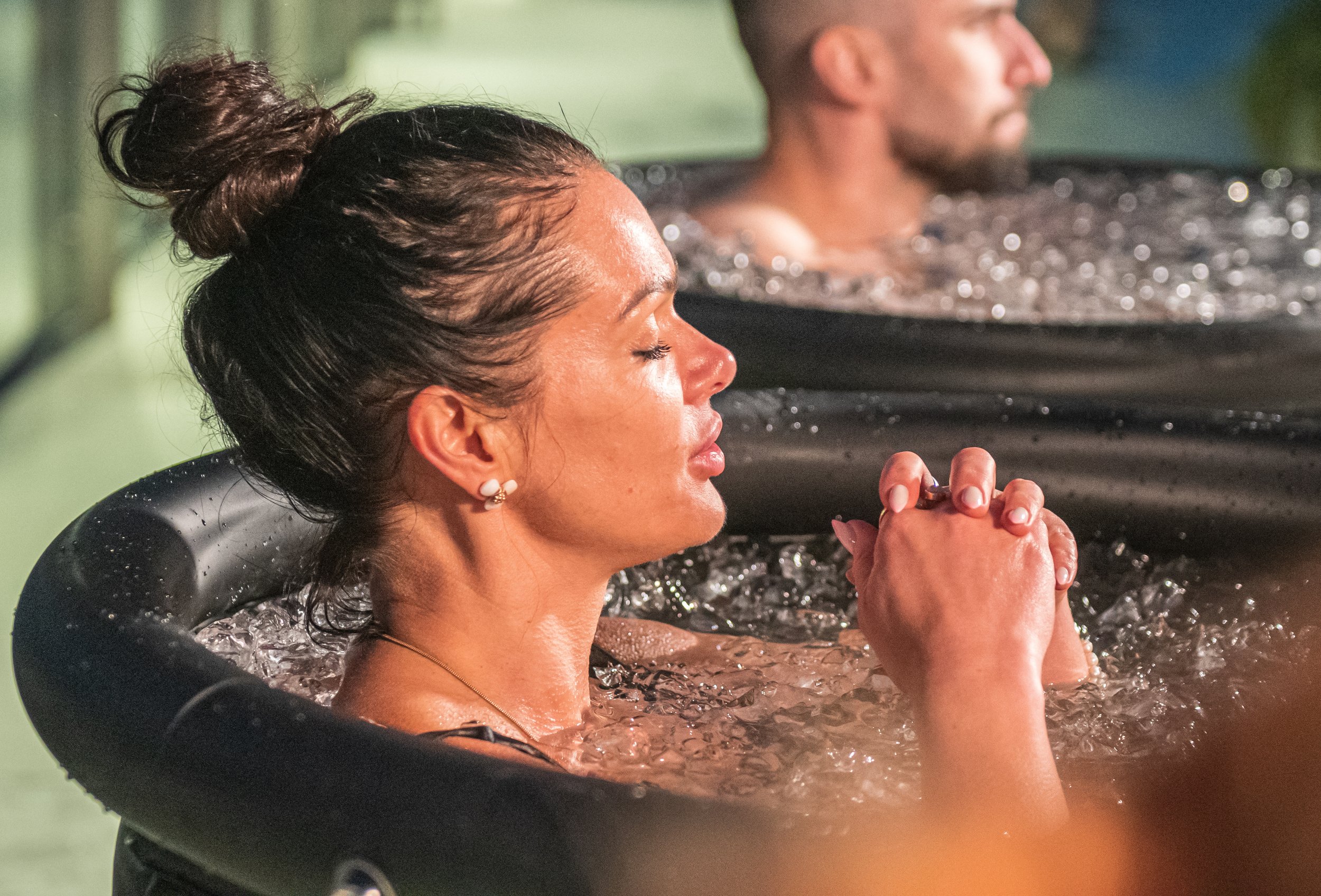
And then there's the cold dip…
Cold-water immersion has become almost impossible to escape. Ice baths, cold plunges, freezing showers – apparently we're all supposed to be voluntarily freezing ourselves now.
There are some interesting benefits. Cold exposure triggers a strong physiological response and can increase alertness. Cold-water immersion may also help reduce muscle soreness after strenuous exercise.
But again, more extreme doesn't automatically mean more beneficial.
If you're new to it, you don't need a bath full of ice. A cool shower or brief dip in a cold pool is enough to experience the change in temperature.
One interesting point if building muscle is your goal: regularly jumping into very cold water immediately after resistance training may interfere with some of the adaptations you're trying to create. So timing matters.
Hot, cold… or both?
Alternating between heat and cold can feel fantastic. I personally like the ritual as much as anything else – heat, cool down, rest, repeat.
Just don't turn it into another health competition.
Cold water causes a sudden increase in breathing, heart rate and blood pressure, while sauna places its own demands on the cardiovascular system. Anyone with cardiovascular problems, very low blood pressure, who is pregnant, unwell or taking medication that affects blood pressure should get appropriate medical advice before experimenting with extreme temperatures.
For most healthy people, however, sauna, steam and a sensible cold dip can simply be enjoyable additions to a healthy lifestyle.
No complicated biohacking protocol required.
Sometimes feeling better really can be as simple as getting warm, getting cold, switching off, and giving your body a little time to reset.
Kasia Wheeler
BodyKode
